How the Enhancement Pipeline Works

LuminAI’s photo enhancement pipeline is built on a series of modular AI models. Each stage—upscaling, denoising, and color correction—operates independently yet communicates with the next. The upscaling module uses learned spatial interpolation to increase resolution while preserving edge detail. Denoising filters are applied after scaling to reduce grain without softening textures. Finally, color correction algorithms adjust white balance, saturation, and contrast based on scene analysis. This layered approach allows users to apply only the steps they need, providing flexibility for both professional and personal projects.
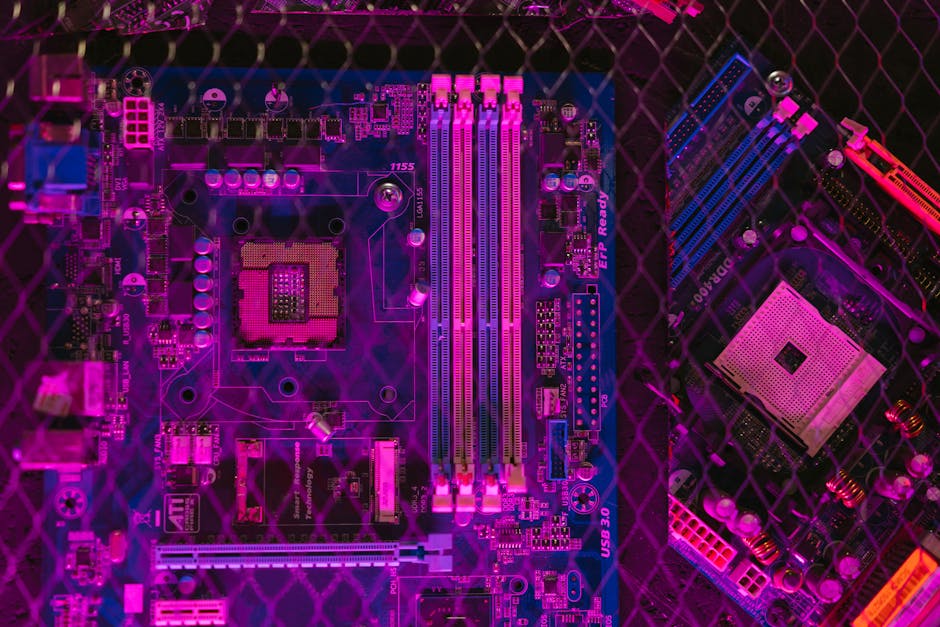
Close-up of a colorful motherboard showcasing intricate circuitry and glowing neon elements.

Core Enhancement Methods

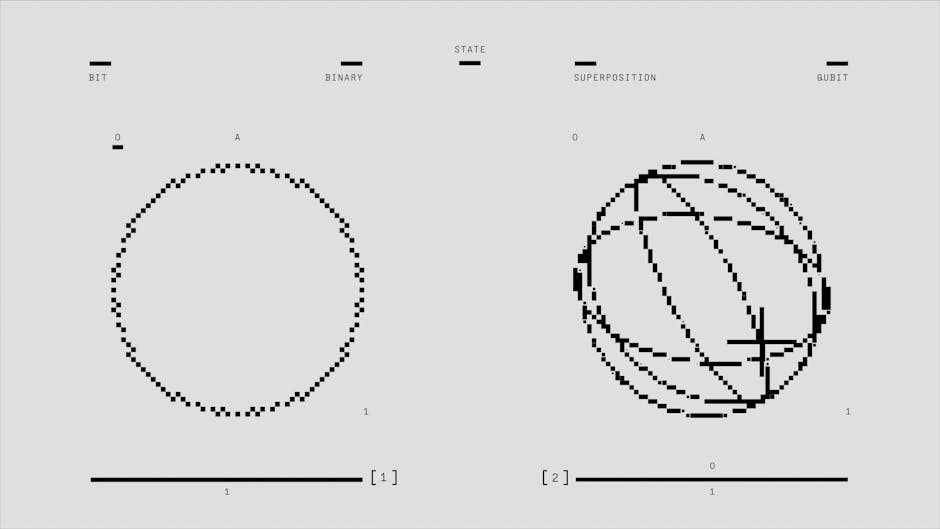
Illustration depicting classical binary bit and quantum qubit states in superposition and binary.
  • Resolution Upscaling

    Increases pixel count while preserving fine details through learned interpolation.

  • Noise Reduction

    Removes random grain and artifacts using adaptive filtering techniques.

  • Color Correction

    Balances tones and contrast based on automated scene analysis.

  • Batch Processing

    Apply enhancements to multiple images simultaneously with consistent settings.

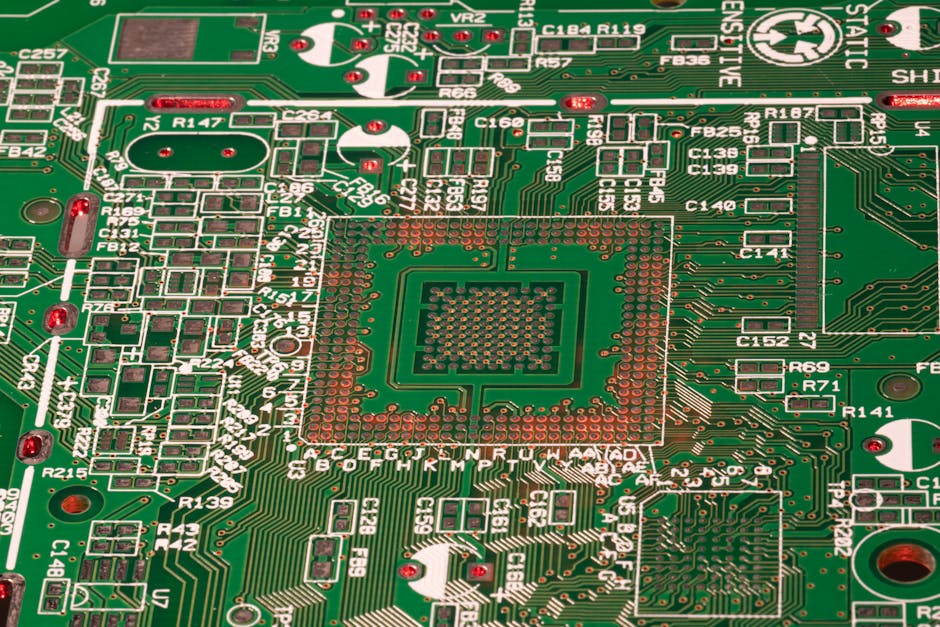
Detailed view of a green printed circuit board with visible components and connections.

Technical Approach to Image Quality

The core of LuminAI’s technology is a convolutional neural network trained on a diverse dataset of photographs. For upscaling, the model learns spatial patterns to reconstruct missing information when enlarging images. Denoising uses a separate encoder-decoder architecture to separate signal from noise. Color correction relies on a lightweight network that evaluates global and local color distributions. Each component can be toggled individually, allowing users to tailor the workflow. The system processes images in full resolution and offers preview options to compare before and after states.

Understanding the Processing Pipeline

The pipeline begins with image analysis: the AI scans the photo for resolution, noise levels, and color casts. Depending on the selected modules, the system then applies upscaling using a super‑resolution model, followed by a denoising pass with a variance‑aware filter. The final color correction adjusts hue, saturation, and luminance through a learned mapping. Each step can be previewed independently, and the user may adjust parameters like strength or preservation of original details.

User Perspectives on the Tools

Get in Touch

Have questions about the enhancement process or want to test the tools on your own images? Send us a message and we’ll provide details.

Send Your Inquiry

LuminAI
LuminAI provides AI-based tools for photo upscaling, noise reduction, and color correction. Our goal is to make advanced image processing accessible to everyone.
555 California Street, San Francisco, CA
Privacy Policy Terms of Use
© 2026 LuminAI. All rights reserved.

We use cookies

We use cookies to ensure the proper functioning of the website, analyze traffic, and improve your experience. You can accept all cookies or reject them — the site will continue to operate. For more details, read our Cookie Policy.