Initial Exploration
Surveying existing deep learning methods for denoising and super-resolution tasks.

For over a decade, our team has explored the frontiers of deep learning and computer vision, focusing specifically on the challenge of restoring and enhancing digital images. This page documents the key milestones and methodological insights from that journey.
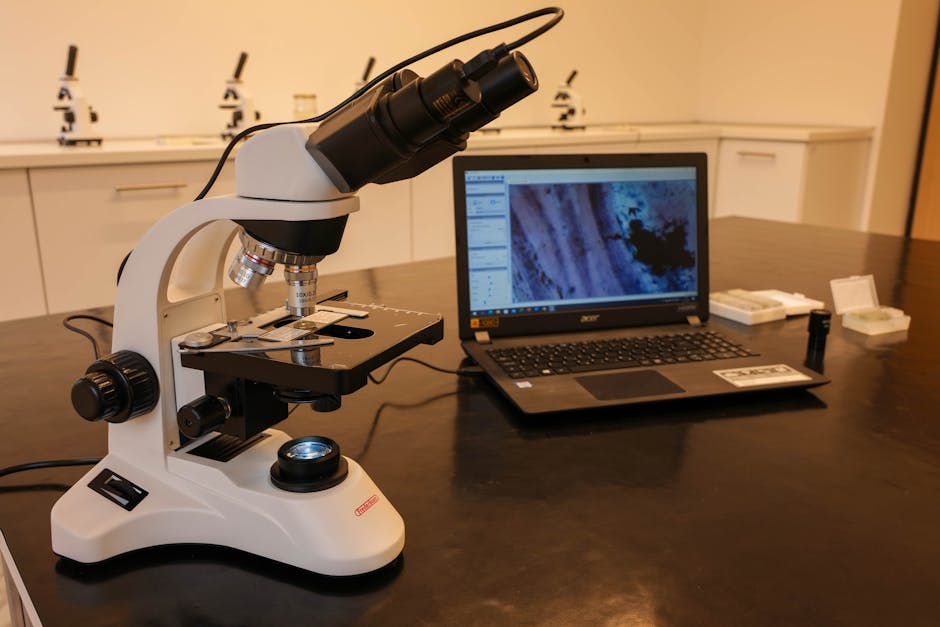
LuminAI's image restoration technology is rooted in extensive research spanning multiple years. Our team systematically investigated deep learning architectures, from early convolutional networks to modern transformer-based models. Each phase involved rigorous experimentation with diverse training datasets, loss functions, and evaluation protocols. The research emphasized understanding how different network depths, skip connections, and attention mechanisms affect the restoration of details in degraded images. This methodological approach allowed us to refine our understanding of the problem space and develop robust frameworks for subsequent engineering applications.
Surveying existing deep learning methods for denoising and super-resolution tasks.
Developing novel convolutional and attention-based networks tailored for image restoration.
Optimizing training strategies with synthetic and real-world degradation datasets.
Evaluating models on standardized benchmarks and iterative improvements.
The systematic documentation of each research phase is valuable for anyone studying deep learning approaches to image restoration.
LuminAI's commitment to transparent methodology sets a standard for how research can inform practical tools.
The attention to training data diversity and evaluation metrics reflects a thorough understanding of the domain.
Our research also delved into the computer vision aspects of image restoration, including perceptual quality metrics, visual saliency, and texture synthesis. By combining deep learning with classical image processing techniques, we explored hybrid approaches that leverage both data-driven and model-based methods. The studies examined how feature representations at different scales contribute to restoring high-frequency details while maintaining natural image statistics. This interdisciplinary perspective enriched our understanding and informed the design of more effective restoration pipelines.

Systematic research in deep learning and computer vision provides a structured framework for advancing image restoration technology. By methodically exploring network architectures, training protocols, and evaluation criteria, researchers can build a robust knowledge base that supports future innovations. This process-oriented approach emphasizes transparency and reproducibility, allowing the field to progress through shared understanding rather than isolated breakthroughs.